
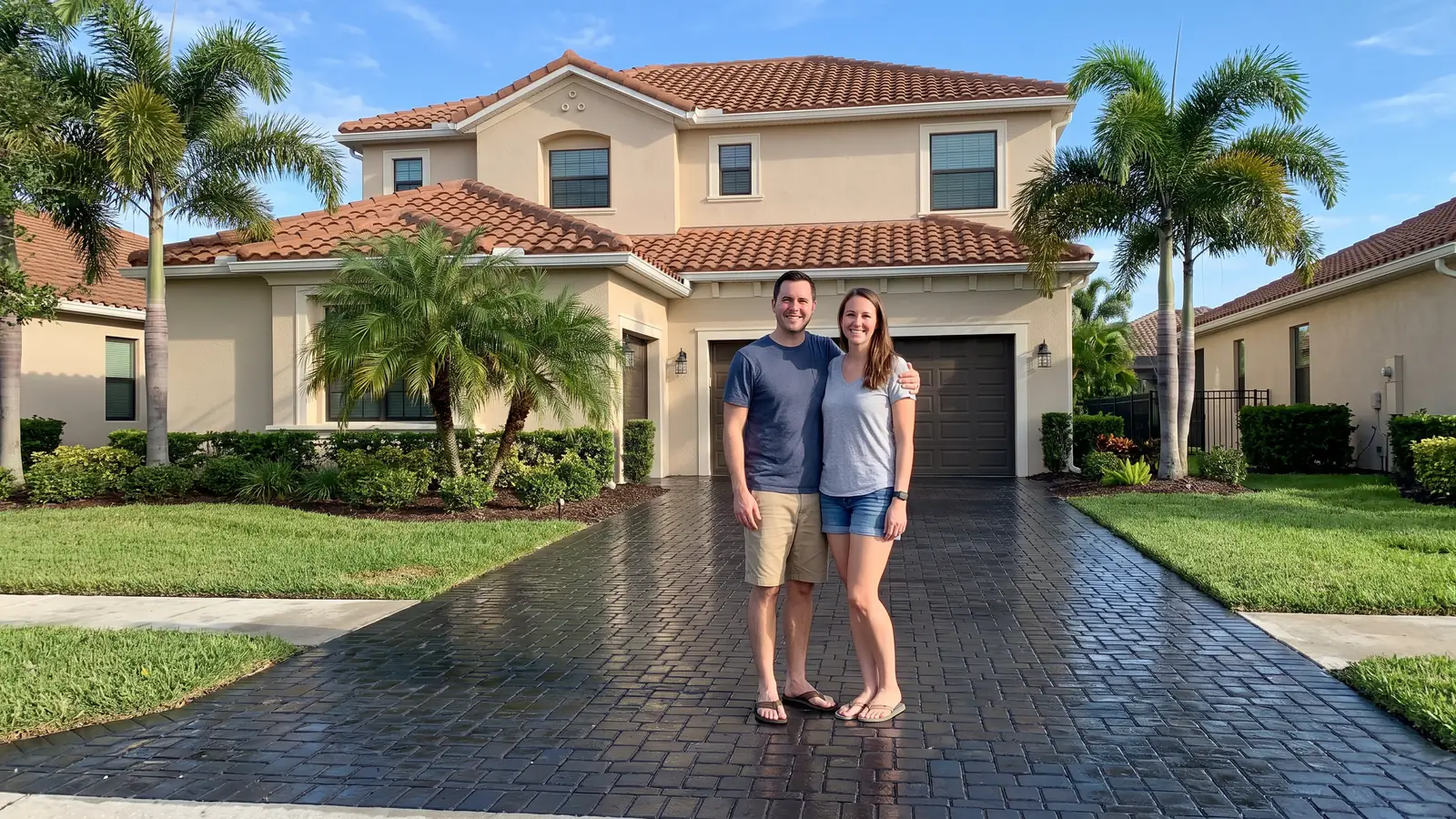
Paver sealing for Fort Caroline homes
Paver Sealing in Fort Caroline, FL
Many Fort Caroline homes date to the late 1980s, so call (904) 849-6734 to ask what your pavers need.
- Brings out deeper paver color
- Fresh joint sand helps lock pavers in place
- Gives weeds less room to grow
- Makes the surface easier to keep clean
- Free estimate, no obligation
Request a Free Estimate
Free, no obligation.
Fast, careful paver sealing in Fort Caroline
Fort Caroline homes can get paver sealing, plus a free estimate, whether they sit in Riverwoods, Queen's Harbour or near Mount Pleasant Road. A local contractor washes, re-sands and seals the driveway, patio or walk. Submit book your free estimate and you should hear back inside a business day, usually much sooner.
Maybe the pavers around your entry have lost their color and the joints are thin and weedy. With a wash, new sand and a coat, the entry color evens out and the joints fill in. To talk it over first, call (904) 849-6734 and describe your driveway, patio or walk.
Why hire a local paver sealing contractor in Fort Caroline?
Many Fort Caroline homes were built between the mid-1980s and the 1990s, so their pavers have had years to wear. A local contractor can judge that wear, and to begin you can book your free estimate.
Riverwoods to Queen's Harbour
Quotes are open across Fort Caroline, from Riverwoods and Fort Caroline Oaks to Queen's Harbour and the Hidden Hills area.
Prices on the record
Regional published prices are $1.75 to $3.25 per square foot for cleaning, sanding and sealing. Check any bid against that band. Large lots mean large totals, so ask about the per-foot rate.
Association rules respected
Riverwoods needs Architectural Review Board approval for exterior changes, and the contractor works within what your association asks.
Gates are planned for
Give the gate code or guard desk details when you ask for a quote, and the visit is built around them.
Get Your Free Estimate in Fort Caroline
Tell us about your pavers in Fort Caroline.
Free, no obligation
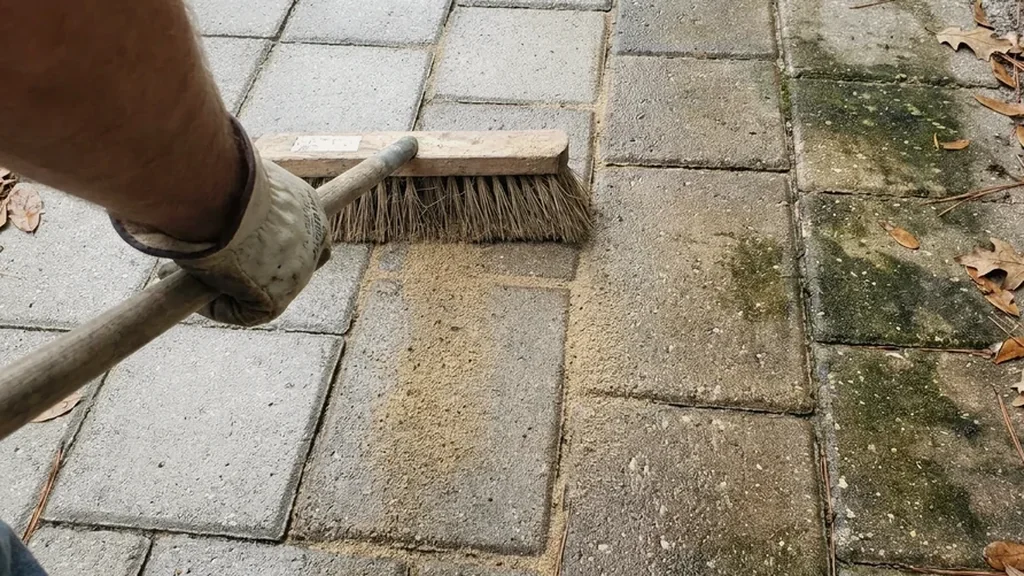
What paver problems show up most in Fort Caroline?
Pavers with 30 years of wear
Riverwoods homes were built from 1985 to 1993, with a median year of 1988, and Ft Caroline Oaks has a median of 1991. Queen's Harbour dates to 1988, when about 950 home sites were planned. Pavers laid with those houses have seen decades of sun and rain, and one Jacksonville company says unsealed concrete pavers fade noticeably within 3 to 5 years. If yours were never sealed, or were sealed long ago, color loss and thin joints are likely. A quick look at a spare corner shows how much color a coat brings back. Hunters Run has 50 homes built from 1986 to 1998 and Caroline Cove has 142, so whole streets can share the same vintage of pavers and joints. Fort Caroline Middle and the Dames Point Bridge are well known landmarks nearby, and the area grew around them as part of Arlington. That growth means a lot of lots share one decade of building. Pavers in the shade of the broad oaks that Queen's Harbour is known for may show algae before fade, so the order of problems differs by lot.
Sandy ground and thin joints
The USDA describes the Mandarin soil series, first described in Duval County, as sandy throughout. Jacksonville also gets roughly 52 inches of rain each year, with summer the wettest season. Joint sand washes out in those downpours, which leaves gaps where weeds start. Sand also washes from joints beside the street apron, where runoff leaves the lot. Refilling the joints before sealing helps lock the pavers together. Fine, sandy ground drains quickly, so the lawn recovers from a storm faster than the joints do.
Damp ground near the hammocks
The Timucuan Preserve runs shady hammocks and wetlands along Fort Caroline Road and Mount Pleasant Road, and the Mandarin series has a seasonal high water table 18 to 42 inches deep. Shaded pavers stay damp longer and grow algae. A Jacksonville cost guide says patios under trees need extra cleaning since green growth, mildew and leaf stains collect faster there. Corners behind a wall or planter deserve a mention at the first visit. Moss and algae should not grow on interlocking pavers unless an area is heavily shaded, so green growth is a shade signal worth acting on. Rain that lingers under oak canopy keeps the surface cool and wet through the afternoon. Spanish Pond Trail and the Theodore Roosevelt Area show how much hammock and wetland sit close to these streets.
Water on low and sloped lots
Fort Caroline has some of Jacksonville's few bluffs, and one bluff homesite on Fort Caroline Road rises 76 feet above sea level. Rain runs fast down slopes and pulls sand from joints. On low lots near the river, the memorial's own replica is slated for demolition because of flooding, and a 1964 replica was destroyed by Hurricane Dora. Pavers there can collect silt that must be washed off before sealing, and pavers on a sloped drive get a thin, even pass so the sealer does not run downhill. State work on Fort Caroline, Mount Pleasant and McCormick roads, about $30 million over seven miles, has included new drainage structures, which shows how much water moves through this area. Fulton Road Landing at the end of Fulton Road is a handy marker for lots near the river.
Old coats from earlier owners
Homes in The Valley at Hidden Hills were built from 1974 to 2008, and 80 percent are owner-occupied. That mix means pavers of many ages and unknown products. One sealer type cannot be laid over the other, so the contractor checks what is there first. A coat that is peeling or hazy is a clue worth mentioning, and so is any receipt from a past job. Bring any association paperwork about approved colors or products to the first visit. Ask neighbors in a shared community whether the board keeps a list of approved sealer products. It also helps to say which community gate you use.
Do Riverwoods, Queen's Harbour and Fort Caroline Oaks need different paver work?
Yes, because each community has its own age, its own rules and its own ground. Riverwoods has a mandatory association that requires Architectural Review Board approval for exterior and landscape changes. Queen's Harbour opened in 1988 as a 24-hour gated community with a golf course, a lagoon and a lock to the Intracoastal. Say which community is yours when you book your free estimate.
Ft Caroline Oaks homes have a median build year of 1991 and a median living area of about 1,850 square feet. Hunters Run, Caroline Cove and Jean Ribault Woods sit close by, with homes mostly from the late 1980s and 1990s. Pavers laid with those homes are now old enough to need a first or second reseal. For a home in any of them, call (904) 849-6734.
The Valley at Hidden Hills, around Lake Narcissus, has 478 parcels and homes from 1974 to 2008, and 80 percent are owner-occupied. It has its own association, separate from the Hidden Hills golf community. If your street has one, ask about rules for exterior work before booking. Then book your free estimate with what you learn.
What does paver sealing cost in Fort Caroline?
Fort Caroline pricing sits inside the published regional range of $1.75 to $3.25 per square foot for cleaning, sanding and sealing. Shade growth, thin joints and an old coat that has to come off raise a quote, while big patios and long drives lower the per-foot cost. To get a quote for your property, book your free estimate.
A small area costs more per foot, since washing and setup do not shrink with it. Gates, stairs and tight side yards add prep as well. Inside a gated community, tell the contractor about the gate code or guard desk. Call (904) 849-6734 and the contractor can sort out which of these apply to your home.
| Paved area | Typical example | Clean, sand and seal |
|---|---|---|
| 300 sq ft | Small patio or walkway | $525 to $975 |
| 600 sq ft | Two car driveway | $1,050 to $1,950 |
| 1,000 sq ft | Large driveway or pool deck | $1,750 to $3,250 |
| 1,500 sq ft | Driveway plus pool deck | $2,625 to $4,875 |
Math based on the $1.75 to $3.25 per square foot that Northeast Florida paver companies published as of November 2026. Your contractor sets the actual price after seeing the surface. Repairs, leveling and stripping failed sealer are usually extra.
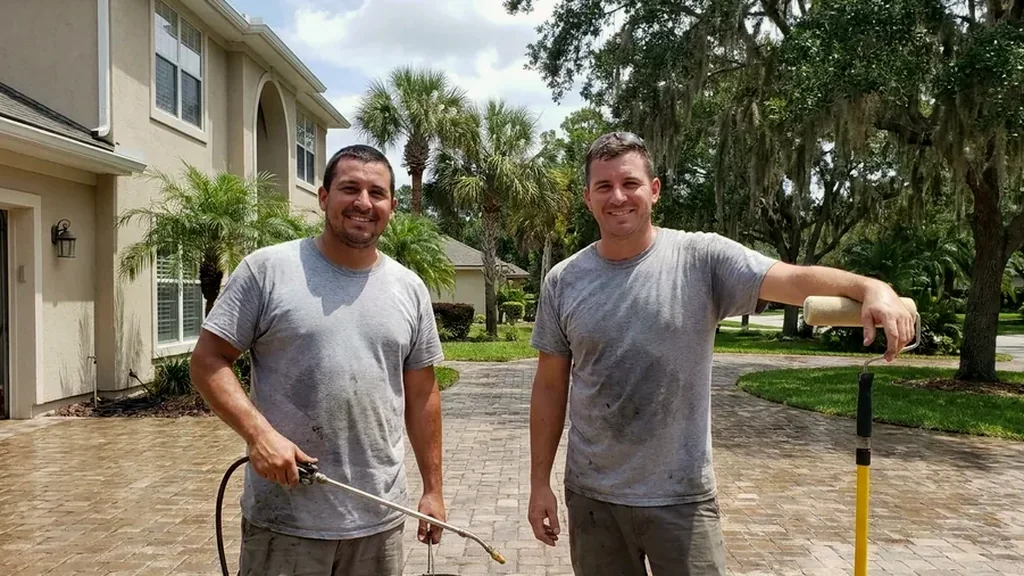
How does a paver sealing job work in Fort Caroline?
Confirm the rules
In a community like Riverwoods, exterior changes can need Architectural Review Board approval, so the first step is a question about your association. A gate code or guard desk note goes on the work order. Share what you know about earlier work and the year the house was built.
Read the pavers
The contractor measures the area and looks for fade, sunken spots and thin joints. Pavers from the late 1980s and 1990s may show any of the three. Low sections are reset, since sealing over a dip only preserves it. Photos of the drive, the courtyard and the pool deck help the walk-through.
Wash and refill
Algae in the shade, silt in low spots and tire marks on the drive come off first. Then fresh sand is brushed in and swept clean, usually in two passes on sandy ground. Rust and oil are treated before the coat, and heavy shade on the hammock side may need a second wash.
Dry out
Shaded pavers near the preserve dry slowly, and summer storms arrive in short, heavy bursts. The contractor waits for dry ground, because a short delay costs less than redoing a cloudy coat. A cool, damp morning under the oaks can push the start later.
Seal and file the details
The finish goes on by spray, then a back-roll. One Jacksonville company allows walking after a few hours and driving after about a day. Ask for the product name for your association file, and for a recoat date two to five years out.
Complete paver services in Fort Caroline
At a Fort Caroline house the job has five beats: read the pavers, wash, refill the joints, wait for dry, seal. Algae, silt and tire marks go first so nothing dirty is sealed in. Ask about the clock on each beat by calling (904) 849-6734.
Think of the drive, the entry courtyard and the lanai as three small jobs. The drive carries cars and afternoon heat, the courtyard sits in oak shade, and the lanai deck soaks up splash. Tell the contractor about each when you book your free estimate, and each gets its own wash and plan.
Fade is the long game for sealer. One Jacksonville company says unsealed concrete pavers fade noticeably within 3 to 5 years, and shaded pavers trade fade for algae. A calm matte look suits shade, and a sunny drive may need a firmer plan. Call (904) 849-6734 to weigh the options.
Rain from May to September arrives in short, heavy downpours, and a high water table keeps some ground damp. Fully dry pavers matter more than any month. A date can slide when the forecast turns. To find a day that fits your street, book your free estimate.
Questions to ask before you hire
- Will the sealer make my pavers darker, and by how much?
- Will the pavers be slippery around the pool once the sealer is on, and can you mix in grit?
- Can you price the driveway and the back patio as two separate jobs?
- How long do my dog and my kids need to stay off the sealed area?
- Do the stains need to come out first, so the sealer does not lock them in?
- Will you rinse the leftover sand off the pavers and out of the pool before you leave?
- Do you seal in the morning or later in the day, with how hot the pavers get by noon?
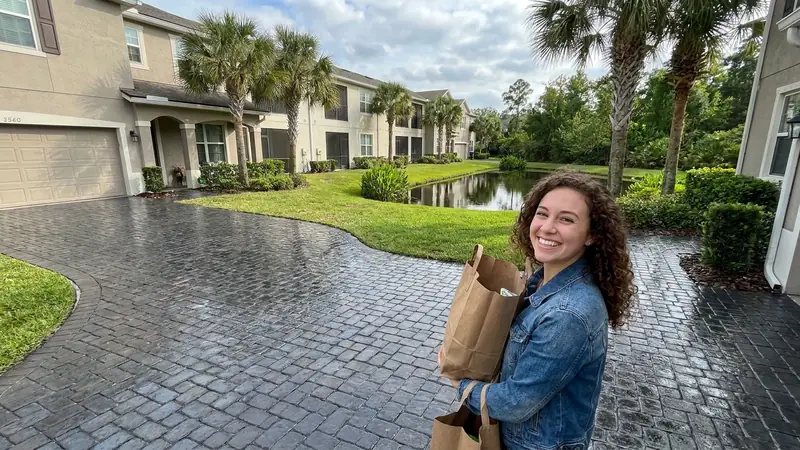
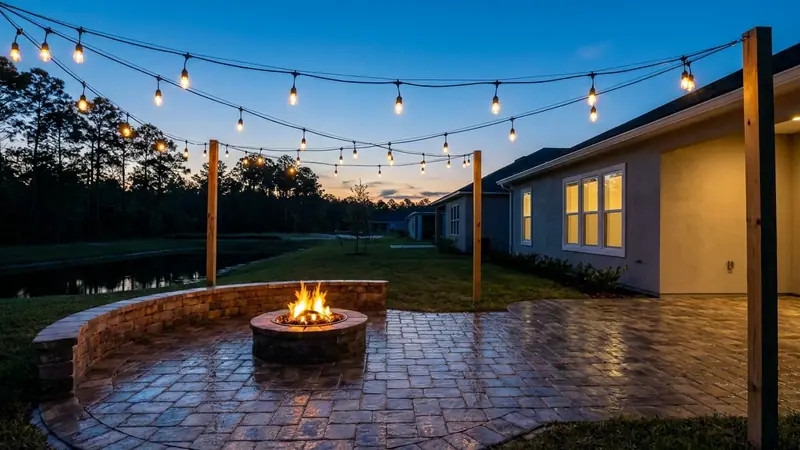
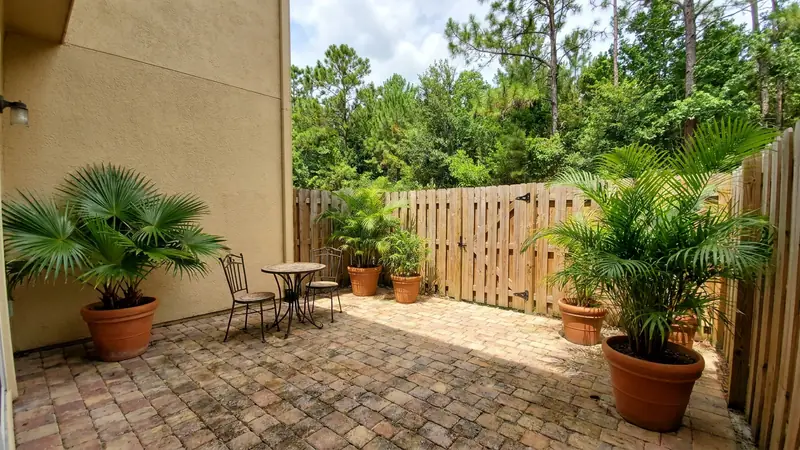
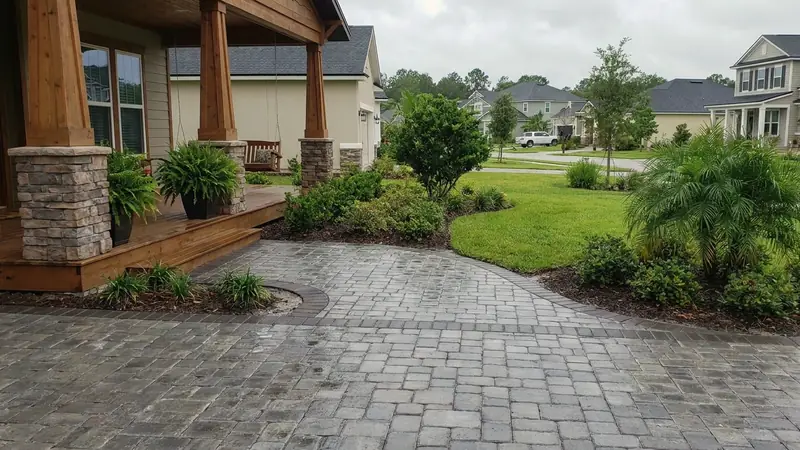
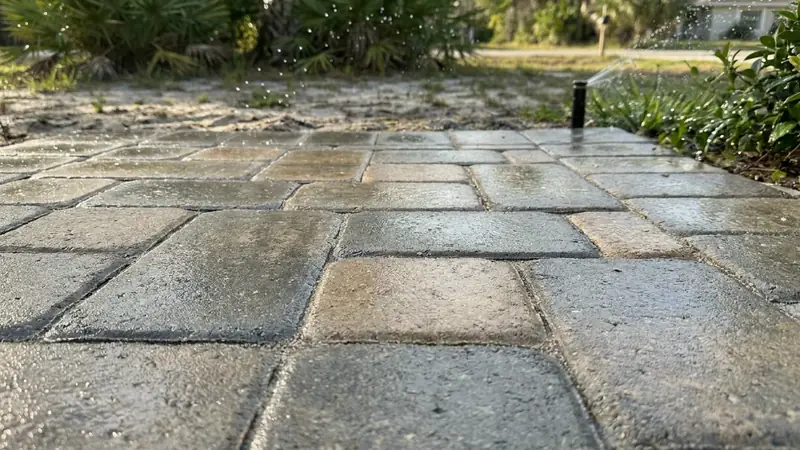
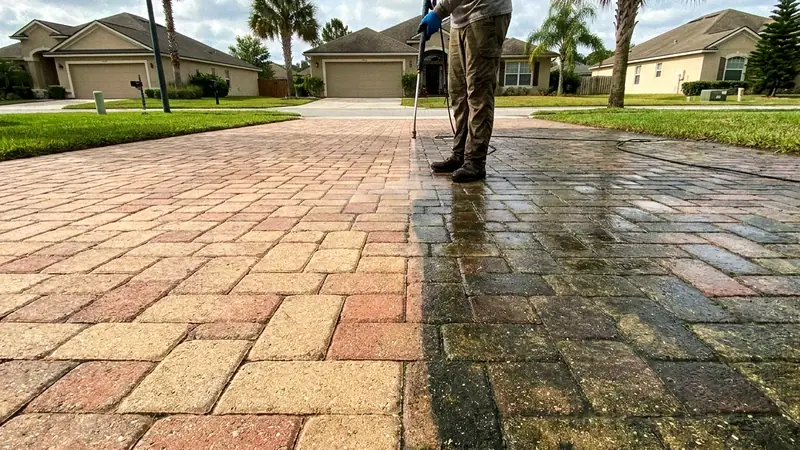
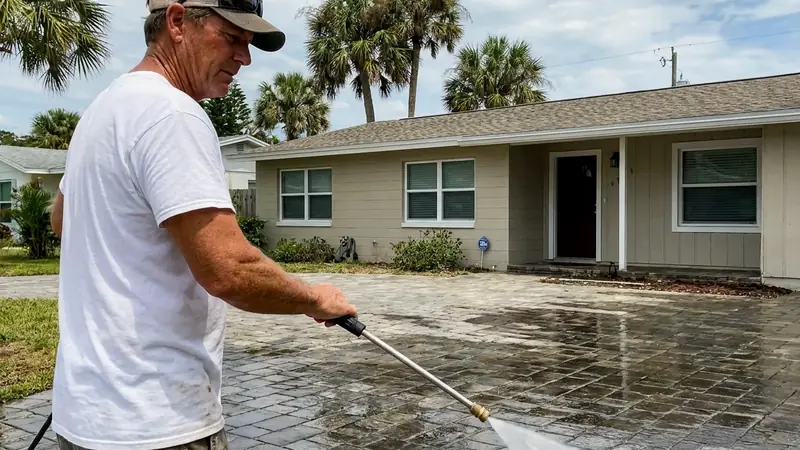
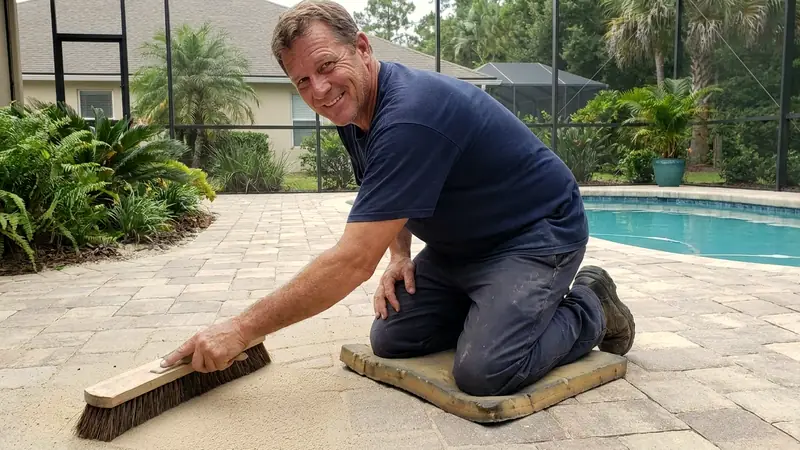
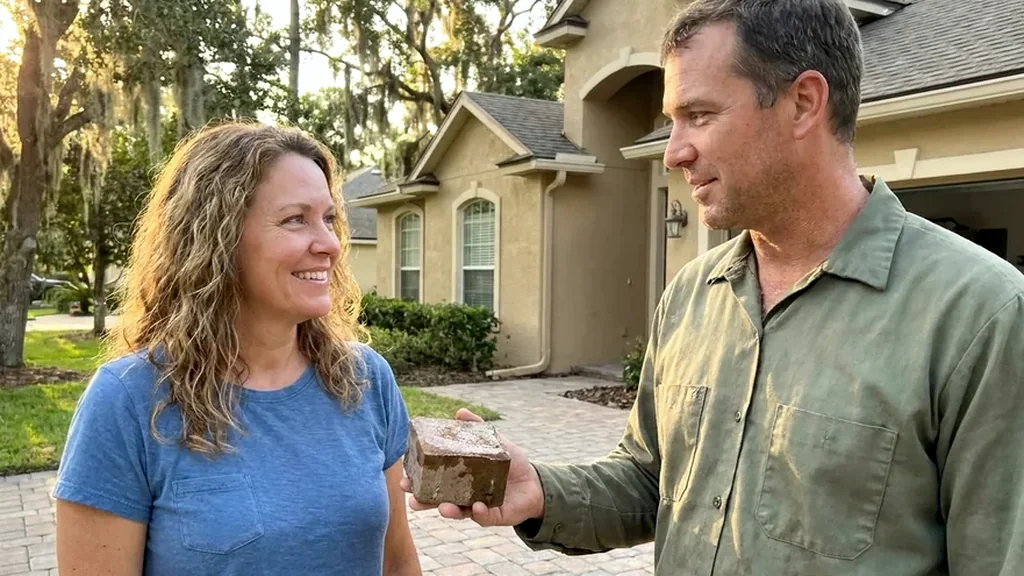
What do sealed pavers look like around Fort Caroline?
Why local matters in Fort Caroline
Fort Caroline work crosses river bluffs, preserve hammocks and gated golf communities. Pavers on each lot face different shade and water. That decides how much washing and sand come before sealing. To reach someone who works here, call (904) 849-6734.
Community rules matter too. Riverwoods requires Architectural Review Board approval for exterior changes, and other communities have their own associations. A good contractor asks early. If you are unsure, book your free estimate and ask what to check.
Roads and weather matter as well. Work along Fort Caroline Road, Mount Pleasant Road and McCormick Road has included replacing drainage structures, a reminder of how much rain these streets handle. A contractor from nearby watches the forecast and plans extra drying time. To ask how a job would be scheduled in your part of Fort Caroline, book your free estimate.
What does a contractor need to know about Fort Caroline's history?
Start with the fact that French settlers founded Fort Caroline in 1564 on a plain at the foot of the bluff later called St. Johns Bluff. The National Park Service created the memorial in 1953 at 12713 Fort Caroline Road. A replica built in 1964 was destroyed by Hurricane Dora that year, and the current model is slated for demolition because of flooding. If you live near the memorial, mention that when you call (904) 849-6734.
The Timucuan Preserve's Theodore Roosevelt Area covers 600 acres, with the Spanish Pond Trail off Fort Caroline Road and the Willie Browne Trail off Mount Pleasant Road. Willie Browne donated his land to The Nature Conservancy in 1969. A Native American village about 1,000 years old, the Mill Cove Complex, lies in yards across the relict dunes, so if you are close to any of these places, book your free estimate.
Frequently Asked Questions
Why is paver sealing so expensive in Fort Caroline?
Labor and prep are the bulk of the price here. Shade, thin joints and old coats add washing and sand before anything is sealed. The sealer itself is a modest part of the cost. Large drives and patios add square feet but cost less per foot than small ones.
Which water-based sealer suits Fort Caroline pavers?
Whatever is already on the pavers decides. A water-based sealer cannot go over a solvent-based coat, so the old coat comes first. Note the product name for the next coat. If your association wants a product sheet, ask the contractor for one.
How long does paver sealing last in Fort Caroline?
Typical quotes place a recoat two to five years out. Heavy shade, tires and sun can push a Fort Caroline drive toward the short end. Water that darkens the paver and soaks in has lost its coat. A splash of water on a hidden corner shows whether the coat is still working. Ask for a recheck date.
What is the cost to re-sand and seal pavers in Fort Caroline?
Plan around $1.75 to $3.25 per square foot, the range published for Northeast Florida. Shade growth, lost sand and old coats move a job inside it. Make sure the quote shows square feet. Ask the contractor to show square feet on the page so the math is easy to check.
What are the downsides of sealing pavers in Fort Caroline?
Sealer wears and needs another coat, and it requires a dry surface, which can delay a job on a shaded Fort Caroline lot. It also locks in whatever is under it, so repairs and cleaning come first. On a lot where pavers were laid in the late 1980s, the base may also deserve a look. A dry day can still leave shaded pavers damp.
Is it good to seal pavers in Florida?
It is common for Florida pavers. Sealer helps hold joint sand and slows fading. Where shade and heavy summer rain are the norm, as around Fort Caroline, those benefits show quickly. Sealed pavers also rinse cleaner after storms.
Does my Fort Caroline HOA need to approve sealing?
It depends on your community. Riverwoods requires Architectural Review Board approval for exterior and landscape changes. Check your association's rules before booking, and ask the contractor for a product sheet if your board wants one. Hold on to any note from the board.
Do shade and a high water table change paver sealing in Fort Caroline?
Yes, mainly by slowing drying. The USDA's Mandarin soil series has a seasonal high water table 18 to 42 inches down, and shaded pavers stay damp longer. The contractor waits for a dry surface and may plan a later start. Ask the contractor how long the pavers will rest before the first coat.
Ready for a Free Estimate in Fort Caroline?
Call (904) 849-6734 and tell us about your pavers.
Free, no obligation